Introduction
Accessible bathrooms play a crucial role in promoting independence and quality of life for individuals with disabilities and elderly people. As our population continues to age, the demand for accessible bathroom designs is growing. It is essential to prioritise comfort and safety in these spaces to ensure they are functional, welcoming, and inclusive for all users.
In this informative article, we will explore various design elements that can improve accessibility in bathrooms. By understanding the needs of people with disabilities, considering comfort and safety features, and incorporating technology and aesthetics, we can create accessible bathrooms that meet the needs of everyone. Let’s delve into the world of accessible bathrooms and discover how we can make them more comfortable and safe for all.
Understanding the Needs of People with Disabilities in Bathroom Design
People with disabilities face numerous challenges when using traditional bathrooms. Narrow doorways, slippery floors, and high tubs can make it difficult for them to navigate and use the bathroom independently. However, accessible bathroom designs can significantly improve their quality of life and promote independence.
Universal design, which focuses on creating spaces that are accessible and inclusive for everyone, is essential in bathroom design. Simple modifications such as grab rails, wider doorways, and level-access showers can make a substantial difference in accessibility for people with disabilities.
By understanding the needs and challenges faced by individuals with disabilities, we can prioritise comfort and safety in bathroom design. This not only enhances their experience but also creates a more welcoming and functional space for all users.
Considerations for Comfort in Accessible Bathrooms
When designing accessible bathrooms, it’s important to consider the comfort of all users, especially those with disabilities or mobility issues. These individuals face both physical and emotional challenges in using the bathroom, and a comfortable, welcoming space can greatly improve their experience and overall quality of life.
To enhance comfort in accessible bathrooms, consider incorporating adjustable showerheads, non-slip flooring, and raised toilet seats. These features not only improve accessibility but also make the space more enjoyable and functional for everyone. Prioritising the comfort of individuals with disabilities and the elderly is crucial when designing accessible bathrooms.
Safety Features in Accessible Bathrooms
Traditional bathrooms can pose significant safety risks for people with disabilities, particularly those with mobility issues. This is why it’s essential to integrate safety features into the design of accessible bathrooms. These features not only prevent accidents and injuries but also promote independence and confidence when using the bathroom.
Key safety features to consider include hand-held showerheads, anti-scald devices, and non-slip mats. These can be easily installed during construction or renovation and provide added peace of mind for users.
Incorporating safety features demonstrates that the bathroom has been thoughtfully designed with the needs of all individuals in mind, creating a more inclusive and secure space. With the right safety features, accessible bathrooms can be both functional and safe for everyone.
Incorporating Technology for Accessibility
Technological advancements have significantly improved accessibility in bathrooms for people with disabilities. Smart home technology has introduced features like voice-activated taps, temperature-controlled showers, and motion-sensor lighting, making it easier for individuals with mobility issues to use the bathroom independently.
These technological solutions not only enhance accessibility but also add convenience and efficiency to the bathroom experience. Incorporating technology into bathroom design can create a more inclusive and comfortable space for all users.
When designing accessible bathrooms, it’s important to explore these technological options to ensure the best possible experience for individuals with disabilities.
Designing for Aesthetics and Accessibility
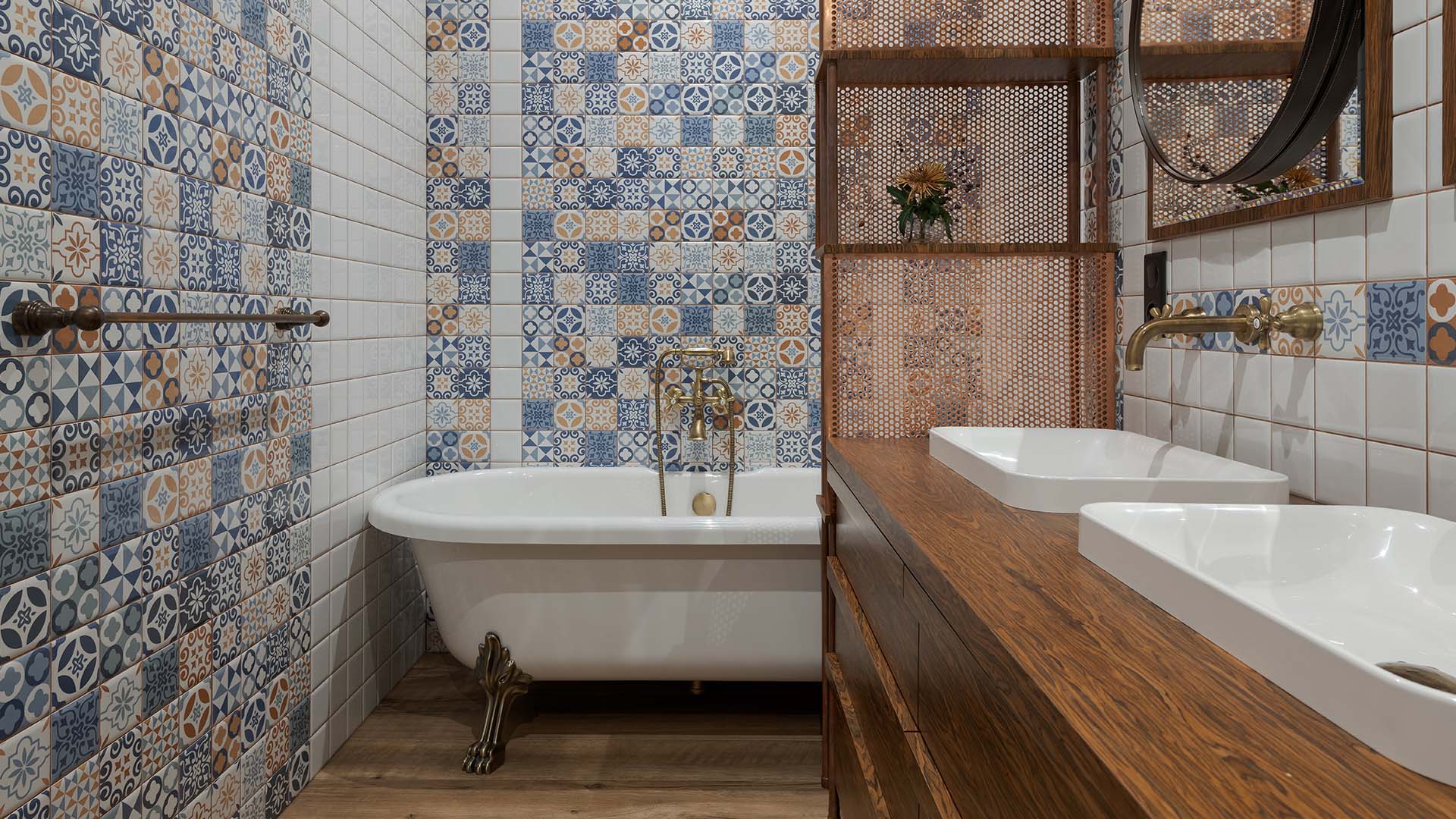
While the primary focus of accessible bathroom design is functionality and safety, aesthetics should not be overlooked. Many people assume accessible bathrooms have to be plain and clinical, but this is far from the truth. With the right design elements, accessible bathrooms can be both practical and visually appealing.
Incorporate stylish yet functional features such as decorative grab rails, accent tiles, and adjustable-height vanities. These design elements not only enhance the overall appearance of the bathroom but also improve accessibility and safety.
Accessible bathrooms don’t have to sacrifice aesthetics for functionality. By blending style with practicality, you can create a welcoming and inclusive space that everyone can enjoy. Don’t be afraid to think creatively when designing an accessible bathroom.
Conclusion
In conclusion, designing accessible bathrooms that prioritise comfort and safety is essential for promoting independence and improving the quality of life for individuals with disabilities and elderly people. By understanding their needs and incorporating features such as grab rails, non-slip flooring, and smart technology, we can create bathrooms that are inclusive, functional, and welcoming.
Aesthetics should also play an important role in accessible bathroom design, as style does not need to be sacrificed for practicality. By incorporating thoughtful design elements, accessible bathrooms can be both beautiful and functional.
We encourage readers to explore the various design ideas mentioned in this article and consider implementing them in their own bathrooms. For further information, consult reputable resources such as the Equality Act 2010 guidelines or local accessibility standards. With these considerations in mind, we can create bathrooms that meet the needs of all users while ensuring they remain comfortable, safe, and inviting spaces.